Prompt, Affordable Same-Day Pest Control in Melbourne – Starting From $129.
Home » Spider Control Melbourne
Australia is home to an extraordinary range of spider species, and some of them are known for their deadly bites. You cannot take the spiders at your property lightly.
Do you see spider webs and want some professional spider control for your Melbourne property?
Tom’s Pest Control Melbourne offers comprehensive spider control treatment services for Melbourne’s residential properties and commercial spaces to make their environment safe and look clean.
We offer tailored spider treatment services based on the type of spider at your property, the level of infestation, and other factors. Our treatment services also include long-term spider pest control strategies for your property.
Get a Response in Minutes
We look forward to assisting for Spider Control Services
It means that you get specific wolf spider treatment or black house spider control services, if required, based on the spider species and level of infestation.
Technician observation: One pattern our team sees repeatedly across Melbourne properties is that homeowners often call about one spider they have noticed but have no idea there are two or three species active on the same property at the same time. A classic combination in Melbourne’s middle suburbs is Redbacks in the letterbox and outdoor shed, Black House Spiders around the window frames, and White-Tailed Spiders hunting indoors at night. A thorough inspection always checks for all species, not just the one the homeowner reported.

Funnel Web spider control in Melbourne involves targeted residual treatment of moist garden areas, burrow sites, rock and log surrounds, and entry points around the property.
Funnel Web Spiders are among the highest-risk spiders found around Melbourne properties. They are often found in moist garden areas, under rocks, logs, and leaf litter. Tom’s Pest Control technicians inspect likely harbourage areas, identify burrows where possible, and apply targeted residual treatments around risk zones and entry points.
What our technicians commonly find: Funnel Web activity is most frequently identified on Melbourne properties with established garden beds that retain moisture, particularly those with heavy mulch, timber sleepers, or stacked rocks along the perimeter. A recurring finding is that homeowners have not been into certain garden corners for an entire season. By the time our technician inspects the area, multiple burrows are present within a very confined space. The mistake we see most often is people reaching into these garden areas without checking first, particularly when clearing leaf litter in autumn.
Learn more: Funnel Web Spider identification and facts

Redback spider control in Melbourne involves targeted residual spray to active webbing areas, cracks, sheltered outdoor zones, and harbourage points around the property.
Redback Spiders are common in sheltered outdoor areas, including letterboxes, outdoor furniture, sheds, garages, garden borders and play equipment. Their bite can cause strong local pain and other symptoms. Our spider treatment targets active webbing areas, cracks, corners and harbourage zones, with advice on reducing hiding spots around the property.
What our technicians consistently see on Redback jobs: Redbacks turn up on almost every residential property our team visits in Melbourne during summer. The locations homeowners tend to miss are the undersides of outdoor furniture cushions left on plastic furniture frames, the back of the letterbox (not the opening, the mounting bracket area behind the box itself), and the underside of the lip on wheelie bins. Children’s play equipment is another consistent finding. Our technicians check every outdoor structure at low level because Redbacks build webs close to the ground in dark, sheltered spots. A common homeowner mistake is knocking down the visible web without treating the harbourage point; the spider simply rebuilds within days in the same location.
Learn more: Redback Spider identification guide

White-Tailed spider control in Melbourne targets internal harbourage points, skirting lines, bedding areas, bathrooms and laundries where these hunting spiders are most commonly found.
White-Tailed Spiders often enter homes while hunting other spiders. They are usually found in bedding, clothing piles, bathrooms, laundries and wall corners. Tom’s Pest Control treats internal harbourage points, skirting lines, gaps and web-prone areas, while also reducing the insects and spiders that attract them indoors.
Recurring pattern our team identifies: White-Tailed Spiders follow prey. On properties where Black House Spiders have built up around window frames and skirting boards, White-Tailed Spiders move indoors to hunt them. Our technicians find them most often in wall voids accessible through gaps behind power points, in laundries where clothes sit on the floor, and in bedrooms with low-clearance bed frames that have been undisturbed for weeks. The mistake homeowners make is treating White-Tails as a random occurrence and not connecting them to the presence of other spider species inside the home. Eliminating the food source is part of the treatment.
Learn more: White-Tailed Spider identification

Wolf spider control in Melbourne involves a detailed ground-level inspection of lawns, gardens, garage floors, and entry points, with residual treatment applied to active areas.
Wolf Spiders are ground-hunting spiders often found in lawns, gardens, garages and around doorways. They do not build capture webs, so control requires a detailed inspection of ground-level hiding areas. Our treatment targets garden edges, cracks, entry points and internal areas where spiders have moved inside.
Field observation: Wolf Spiders are one of the species Melbourne homeowners most frequently misidentify. Their large size and fast movement causes significant alarm, and many homeowners assume they are dealing with a Funnel Web when they first see one indoors. Our technicians are called to a number of jobs each month where the suspected Funnel Web turns out to be a Wolf Spider on closer inspection. The two are not the same risk level, but professional identification still matters. Wolf Spiders move inside through garage door gaps and sliding door tracks in autumn. These entry points are what our technicians treat first, because the spider will keep coming in until the access point is sealed or treated with residual product.
Learn more: Wolf Spider identification

Huntsman spider control in Melbourne focuses on treating common entry points, wall cavities, garages, and hiding areas behind furniture where these large spiders shelter.
Huntsman Spiders are large, fast-moving spiders often seen on walls, ceilings, garages and behind furniture. They are usually a nuisance pest, but many homeowners want them removed due to their size and movement. Tom’s Pest Control treats common entry points and hiding areas, then provides practical prevention steps.
What our technicians observe: Huntsman Spiders are one of the most common reasons Melbourne homeowners call us, and they are almost always coming in through one of three places: a torn or unsealed flyscreen, a gap at the top of a garage roller door, or an open window on a warm night. Our technicians find that properties with large established trees close to the roofline have more Huntsman activity inside , the spiders descend from the canopy onto the roof and find their way in through eave gaps. A recurring mistake is homeowners sealing the flyscreen but leaving the gap at the garage door frame untreated.
Learn more: Huntsman Spider identification

Black House spider control in Melbourne removes webs and applies residual treatment to window frames, eaves, wall corners, fences, and outdoor lighting where these spiders build persistently.
Black House Spiders build messy webs around windows, eaves, wall corners, fences and outdoor lighting. Their webs can return quickly when harbourage points remain untreated. Our service removes webbing where accessible and applies residual treatment to window frames, eaves, cracks and other web-building zones.
Technician finding: Black House Spider webs return faster than most homeowners expect after cleaning. Our technicians regularly visit properties where the homeowner cleans the webs off window frames every few weeks and cannot understand why they keep coming back. The issue is that removing the web does not affect the spider or its harbourage point behind the frame or inside the wall gap. Residual treatment applied to the web-building zone breaks the cycle. A pattern we see often on Melbourne’s brick veneer homes from the 1980s is heavy Black House Spider activity along the mortar lines and weep holes of the brickwork, which are tiny sheltered gaps that spiders use as permanent harbourage.
Learn more: Black House Spider identification

Mouse spider control in Melbourne requires professional identification of burrow sites in gardens and moist outdoor areas, with targeted treatment of harbourage and entry points.
Mouse Spiders are ground-dwelling spiders that can be found in gardens, lawns and moist outdoor areas. Because they can be confused with other high-risk spiders, professional identification is recommended. Tom’s Pest Control inspects burrow-prone areas and applies targeted treatments around likely harbourage and entry points. Mouse Spiders are sometimes mistaken for Funnel Web Spiders due to their similar build and colouring – if you are unsure which species is present, professional identification before treatment is always recommended.
Important field note: Our technicians are called regularly to properties where a homeowner has found a large black spider with a burrow in the garden and immediately assumed Funnel Web. Mouse Spiders share similar colouring and burrow-building behaviour but represent a different risk profile. The distinction matters for treatment approach and for the homeowner’s understanding of the urgency. Both species warrant professional identification rather than DIY guessing. On properties with heavy clay soils in Melbourne’s east and south-east, our team finds Mouse Spider burrows more frequently than Funnel Web activity.
Learn more: Mouse Spider identification

Trapdoor spider control in Melbourne involves inspection of burrow sites in garden beds, lawn edges and soil cracks, followed by targeted treatment of confirmed activity areas.
Trapdoor Spiders build burrows in gardens, lawn edges and soil areas. They can be hard to locate without a close inspection. Tom’s Pest Control technicians inspect garden beds, soil cracks and burrow sites, then apply targeted treatment where activity is confirmed, with advice on reducing moisture and harbourage.
What technicians look for: Trapdoor Spider burrows are easy to miss on a quick inspection because the lid blends almost perfectly with the surrounding soil surface. Our technicians use a slow, systematic sweep of garden beds at low level, pressing lightly on soil surfaces to find the hinged entrance. On Melbourne properties with mature native gardens and disturbed soil from recent landscaping work, we find Trapdoor Spiders in locations homeowners were completely unaware of. The most common mistake is extensive garden digging without checking for burrow activity first.
Learn more: Trapdoor Spider identification

Garden Orb Weaving spider treatment in Melbourne removes nuisance webbing and applies residual spray to gardens, outdoor lights, fences, pool surrounds and entertaining areas to reduce ongoing web activity.
Garden Orb Weaving Spiders build large circular webs around gardens, outdoor lights, fences, pool areas and entertaining spaces. They are usually low risk but create nuisance webbing. Our spider control service removes accessible webbing and treats common web-building areas to reduce ongoing activity.
Seasonal pattern our team observes: Garden Orb Weavers are one of the most seasonal calls Tom’s Pest Control receives. In Melbourne, the peak period for web-building activity runs from late February through April, when large females are feeding heavily before the cooler months. Our technicians find that outdoor lighting is the single biggest driver of Orb Weaver web-building activity on residential properties , the light attracts moths and flying insects overnight, which in turn attracts the spider to build its web directly in the beam. Homeowners who switch to warm-tone LED outdoor lights see noticeably less Orb Weaver activity around those fittings compared to cool-white globes.
Learn more: Garden Orb Weaving Spider identification
Common signs of a spider infestation include:
What our technicians find that homeowners commonly miss: The two signs most often overlooked are egg sacs and shed skins. Homeowners notice the live spider but walk past the egg sacs attached to the wall behind the garden furniture or the shed shelving without recognising what they are. A single Redback egg sac holds between 40 and 100 eggs. Our technicians also find that roof void inspections reveal active spider populations that have been present for months or years with zero indication at ground level. If you are seeing regular spider sightings in living areas, it is worth having the roof void checked as a potential source, particularly on older Melbourne homes with unsealed internal access points.
If you are seeing any of these signs at your Melbourne property, professional treatment is the most reliable way to confirm the species, assess the extent of the infestation, and eliminate it safely.
Call (03) 9034 5957 or submit our online form – same-day spider inspections available across Melbourne.

Here’s why a spider problem at your property shouldn’t wait:
A pattern our team sees regularly: Properties that receive a pest inspection before sale or lease consistently show spider infestations the homeowner was unaware of. In Melbourne’s older housing stock, particularly post-war brick homes with unsealed subfloor access, the subfloor void is one of the most active spider zones on the entire property. Our technicians have inspected subfloors on properties where the homeowner had no idea the space existed, let alone that it was harbouring active spider populations including Redbacks. Buyers and tenants notice this during building inspections. Treating before listing avoids last-minute surprises.
The good news is that most spider problems are straightforward to treat when they’re caught early. A same-day inspection takes the guesswork out of what you’re dealing with.
Call (03) 9034 5957 or fill out our online form – same-day spider inspections available across Melbourne.

Not all spiders in Melbourne pose the same level of risk. The table below outlines the danger level, medical risk, and treatment urgency for every species commonly found in Melbourne homes and gardens, helping you assess whether you need emergency treatment or a routine removal.
| Spider Species | Danger Level | Medical Risk | Treatment Urgency |
|---|---|---|---|
| Funnel Web Spider | Critical | Potentially serious bite risk | Emergency – call today |
| Redback Spider | High | Severe pain and possible systemic symptoms | Same-day treatment |
| Mouse Spider | High | Potentially serious bite risk | Urgent |
| White-Tailed Spider | Moderate | Pain, irritation and possible skin reaction | Book within 48 hours |
| Wolf Spider | Low to Moderate | Localised pain and minor swelling | Book treatment |
| Black House Spider | Low | Minor bite symptoms | Routine treatment |
| Huntsman Spider | Low | Mild bite risk, uncommon bites | Routine removal |
| Garden Orb Weaving Spider | Minimal | Low medical risk, nuisance webbing | Routine removal |
What the inspection covers in practice: Our technicians do not limit the inspection to areas where the homeowner has seen spiders. The inspection covers exterior wall faces, eaves and soffits, the subfloor void where access exists, the roof void if accessible, all garden borders and outbuildings, the garage interior including the door frame gap, and any internal areas where the homeowner has reported activity. A full inspection on a standard Melbourne residential block takes 30 to 45 minutes and typically turns up activity in at least two areas the homeowner did not know about.
Before beginning with the treatment, we will update the treatment plan and ensure that you are receiving a fully transparent service from us.
We use approved chemicals and insecticides to remove the spiders from your property that are safe for your children and pets to be near. The non-chemical procedures include spider traps, fumigation, and more.
How product selection works on the job: Our technicians choose the residual product and application method based on what the inspection found. A property with active Redback Spiders in outdoor harbourage zones receives a different treatment approach to a home with White-Tailed Spiders hunting indoors. For internal treatments, we apply low-toxicity residual products to skirting lines, door frames, and known entry points. For external treatments including eaves, fences, and garden borders, we use a longer-lasting residual spray suited to the exposure conditions Melbourne’s weather creates. A common mistake we see is homeowners applying supermarket surface sprays to walls and calling it done. These products have no residual effect and offer no ongoing protection once they dry.
You will also find the following general techniques useful in controlling the spider population in and around your property:
Prevention advice our technicians give most often: The single most effective thing Melbourne homeowners can do between professional treatments is reduce outdoor lighting that attracts insects at night, keep firewood stored away from the building exterior rather than stacked against the wall, and seal the gap at the base of the garage roller door with a rubber seal strip. These three changes address the three most consistent entry and harbourage drivers our team identifies on Melbourne jobs. We also advise clients to store rarely used items in sealed plastic tubs rather than open cardboard boxes in storage areas, as cardboard is a preferred hiding spot for spiders and their egg sacs.
The WHS manager at a distribution centre in Dandenong South contacted Tom’s Pest Control following an incident where a warehouse worker was bitten by a Redback Spider while moving stock from a low shelf in the outdoor loading bay area. The bite required the worker to seek medical treatment and resulted in a WorkSafe incident report. The WHS manager needed a professional pest control assessment and treatment plan to demonstrate to WorkSafe that the hazard had been addressed.
A secondary concern arose during the initial conversation: the facility bordered a large area of undeveloped land to the south, which the WHS manager suspected was a source of ongoing spider movement onto the property. A staff member had also reported seeing a large, stocky black spider near a burrow in a garden bed along the southern boundary fence two weeks earlier. The description matched either a Funnel Web or Mouse Spider, and the WHS manager wanted professional identification before the next mowing cycle disturbed the area.
Our technician conducted a full site inspection covering the loading bay area, the outdoor hardstand, all external garden beds along the perimeter fence lines, the interior of the warehouse at floor level, and the external wall faces including weep holes, expansion joints, and the base of the roller door frames.
The loading bay area where the bite occurred had seven active Redback webs, all located in the low, sheltered spaces created by the steel channel frame supports under the loading dock edge. These were recessed areas that staff regularly reached into when retrieving stock from the dock edge. The Redback population in this zone had likely been building for at least one full season based on the web density and the presence of two egg sacs.
The southern garden bed inspection confirmed burrow activity. Two burrows were identified approximately three metres apart along the fence line. Based on the burrow construction, the soil moisture level, and the physical characteristics of one spider observed during the inspection, our technician confirmed Mouse Spiders rather than Funnel Web Spiders. The identification was documented in writing for the WHS manager’s records, as the distinction mattered for the WorkSafe response and for staff communication.
The internal warehouse floor inspection identified Redback webs at the base of three structural columns in the corner zones of the building, and Black House Spider webs along the high-bay racking uprights at two locations. These internal populations had not been reported by staff but were consistent with the level of outdoor pressure from the adjacent undeveloped land.
Treatment was carried out across two visits scheduled outside of operating hours to avoid disruption to the warehouse shift. The first visit addressed the immediate high-risk areas: the loading bay dock frame supports were treated with targeted residual spray to all seven Redback harbourage points, all egg sacs were removed, and the two Mouse Spider burrows in the southern garden bed were treated with appropriate residual product applied at burrow level.
The second visit covered the full property perimeter, internal column bases, and racking upright bases. A residual barrier spray was applied along the full external wall base, across all weep holes and expansion joints, around the base of each roller door frame, and along the fence line adjacent to the undeveloped land boundary.
Signage recommending staff check low recessed areas before reaching into dock frame spaces was recommended in the written report. The WHS manager was provided with a full treatment record including species identified, locations treated, products applied, application rates, and technician licence number, in the format required for the WorkSafe incident response documentation.
A quarterly maintenance programme was set up to maintain the perimeter barrier and monitor for ongoing activity from the adjacent land boundary. The first quarterly follow-up found one new Redback web at the loading dock area, treated on the day, with no internal activity and no new burrow evidence in the southern garden bed.
Seven Redback harbourage points treated in loading bay. Mouse Spider burrows identified and treated (Funnel Web excluded by professional identification). Full perimeter barrier applied. WorkSafe-format treatment documentation provided. Quarterly maintenance programme established.
Commercial WHS spider control: Call (03) 9034 5957 for a site inspection, written treatment report, and documentation suited to WHS and WorkSafe requirements.
| Service Type | Treatment Includes |
|---|---|
| Whole-home interior and exterior | Full property inspection + interior and exterior treatment + report |
| Large property or commercial premises | Site inspection + tailored treatment plan + flexible scheduling |
All services include the property inspection, written treatment report, and follow-up prevention advice. Upfront quotes are always provided before any work begins – no hidden fees, no surprises.
Call (03) 9034 5957 or submit our online form for a free no-obligation quote. Most Melbourne properties are quoted within the hour.
Tom’s Pest Control also provides commercial spider control for offices, warehouses, retail premises, and body corporate properties across Melbourne – with flexible scheduling to minimise disruption to your business.
Melbourne experiences two peak spider periods each year.
In autumn (March–May), Wolf Spiders, Huntsman Spiders and Redback Spiders often seek warmth and shelter inside Melbourne homes as temperatures drop.
In late spring and summer (October–February), Funnel Web Spiders and Garden Orb Weavers are more active outdoors, with more web activity around garden areas, pool surrounds and outdoor entertaining spaces.
The ideal times to book preventive spider control treatment are early March before the autumn influx and October, before the summer season begins.
Booking before spiders become active helps ensure residual products are in place before entry points are tested.
What our call volume tells us about Melbourne’s spider seasons: Our booking data reflects the seasonal pattern clearly. Call volumes for spider jobs rise sharply in the first two weeks of March and again in late October. The autumn spike is driven almost entirely by Huntsman and Wolf Spider sightings inside homes as temperatures cool. The spring spike brings Funnel Web and Redback enquiries as garden activity increases and homeowners start spending more time outdoors. A pattern our technicians notice is that properties treated in early March, before the autumn influx, have significantly fewer indoor spider sightings through winter than those treated reactively in June or July after spiders are already established inside.
Tom’s Pest Control Melbourne provides same-day and next-day spider pest control across Melbourne and surrounding areas. Whether you need urgent Redback Spider removal or routine seasonal treatment, local technicians operate across Melbourne’s inner, middle and outer suburbs.
Areas we service include: Brighton, St Kilda, Richmond, Toorak, Hawthorn, South Yarra, Prahran, Fitzroy, Collingwood, Carlton, Brunswick, Northcote, Doncaster, Box Hill, Ringwood, Frankston, Berwick, Narre Warren, Dandenong, Footscray, Williamstown, Altona, Sunshine, Essendon, Moonee Ponds, Reservoir, Bundoora, Greensborough, Healesville and all surrounding Melbourne suburbs.
Call (03) 9034 5957 to confirm same-day availability in your suburb.
What local knowledge means on the job: Tom’s Pest Control technicians cover the same Melbourne suburbs repeatedly. That consistency means our team knows which areas carry higher Funnel Web risk (moisture-rich garden suburbs in the east and south-east), which inner-city terrace precincts have persistent Redback pressure in subfloor voids, and which outer growth corridor estates have the crawl-space configurations that Huntsman and Wolf Spiders exploit most often. Local knowledge is not a marketing phrase for us; it changes what our technicians look for and where they apply treatment on every job.

To reduce spiders entering your home, seal gaps around windows, doors, pipes and wall cracks. Keep outdoor lights off when not needed, remove clutter, trim plants away from the house and clear webs regularly. Professional spider treatment can also create a residual barrier around common entry points.
To get rid of a spider infestation, start by removing webs, sealing gaps around doors, windows and pipes, and clearing clutter where spiders hide. Also remove firewood stacks, garden waste and debris around the property. For active spider activity, professional treatment is recommended because technicians can identify the species, treat hiding areas and apply residual barriers around common entry points.
Spider pest control in Melbourne costs between $249 and $350 for a residential property. Price depends on property size, the species identified, and whether interior, exterior, or both areas need treatment. Commercial spider control for offices and warehouses starts from $350. Tom’s Pest Control provides free upfront quotes. Call (03) 9034 5957 for a no-obligation estimate.
The Funnel Web Spider is often treated as the highest-risk spider around Melbourne properties. Redback Spiders are the most commonly encountered dangerous species in Melbourne homes and gardens year-round. Mouse Spiders can also present a higher bite risk. Professional removal is recommended when these species are found around the home.
A professional spider treatment in Melbourne remains effective for 3 to 6 months, depending on the product used, weather conditions, and infestation level. Outdoor treatments break down faster due to UV exposure and rain. Quarterly maintenance is recommended for properties with recurring spider activity, especially during autumn and spring.
For most Melbourne homes, spider pest control every 3 to 6 months is suitable. Book in early March before the autumn influx and in October before summer spider activity increases. Properties near bushland, gardens, sheds or recurring spider activity may benefit from quarterly treatments.
There is no standard cost in the pest control business for spider removal. However, it would help if you were prepared to spend between $249 and $300 to immediately get rid of a spider infestation in your house. In addition, additional services or a regular maintenance schedule may be required, depending on the seriousness of the issue.
The price of the supplies used and the time required for a skilled, licenced expert to complete the job are two factors that affect spider control services. A price that looks too good to be true certainly is.
It would help if you were cautious when buying a service that is priced notably low since the quality of the job can frequently affect the pricing of services or a lack of a warranty. For a free, no-obligation estimate or more information regarding spiders in your house, give us a call right now at (03) 9034 5957 or fill out the form on our website.
Australia is home to white-tailed spiders. They frequently penetrate our homes but reside under bark, logs, and leaf litter. They are most active at night when they prowl around looking for other spiders, notably black house spiders.
Additionally, Australia is home to redbacks. However, they are less frequent in cooler areas. They frequently inhabit backyards. Funnel-web spiders are common throughout Australia’s east coast, in the highlands (from Queensland to Tasmania), and a few isolated areas in South Australia.
The majority live on the ground where they dig burrows in damp, cold, protected locations, although others live in trees. For example, mouse spiders are found all around Melbourne, Australia. Although it occasionally inhabits residential gardens, the mouse spider usually lives in underground tunnels close to streams and rivers.
Tom’s Pest Control uses registered products applied by trained technicians. Residents and pets should stay away from treated areas during application and return only after surfaces are dry, usually after 2 to 4 hours. Aquariums and aquatic pets should be covered before any spray treatment.
You should usually stay out of treated rooms for 2 to 4 hours after spider spray treatment, or until treated surfaces are dry. Your technician will give you clear instructions based on the product used, the treated areas and whether pets or children live at the property.
For most Melbourne homes, spider treatment every 3 to 6 months is suitable. Homes near gardens, sheds, bushland, outdoor entertaining areas or recurring spider activity may need quarterly treatment. Early March and October are useful times to book treatment because they align with Melbourne’s main spider activity periods.
To reduce spiders entering your home, seal gaps around doors, windows, pipes and wall cracks. Keep outdoor lights off when not needed, remove clutter, trim plants away from the house and clear webs regularly. Professional spider treatment adds a residual barrier around common entry points.
Electronic spider repellents may offer limited results, but they are not a reliable solution for an active spider infestation. Spiders often hide in cracks, corners, roof voids, sheds and outdoor areas where repellents may not reach. Professional inspection and treatment give a more reliable result.
In most cases, no – finding baby spiders does not automatically mean a serious infestation. The majority of young spiders die quickly. They may struggle to locate food or are eaten by other spiders or insects. Only a small percentage survives throughout time. So, in this instance, you don’t need to be concerned about a serious spider infestation.
There are two simple techniques to determine whether you have baby spiders around. First, you have just found the spiders’ source if you discover an egg sac and see little spiders emerging from it. They look like a golf ball’s size or anything as little as a penny.
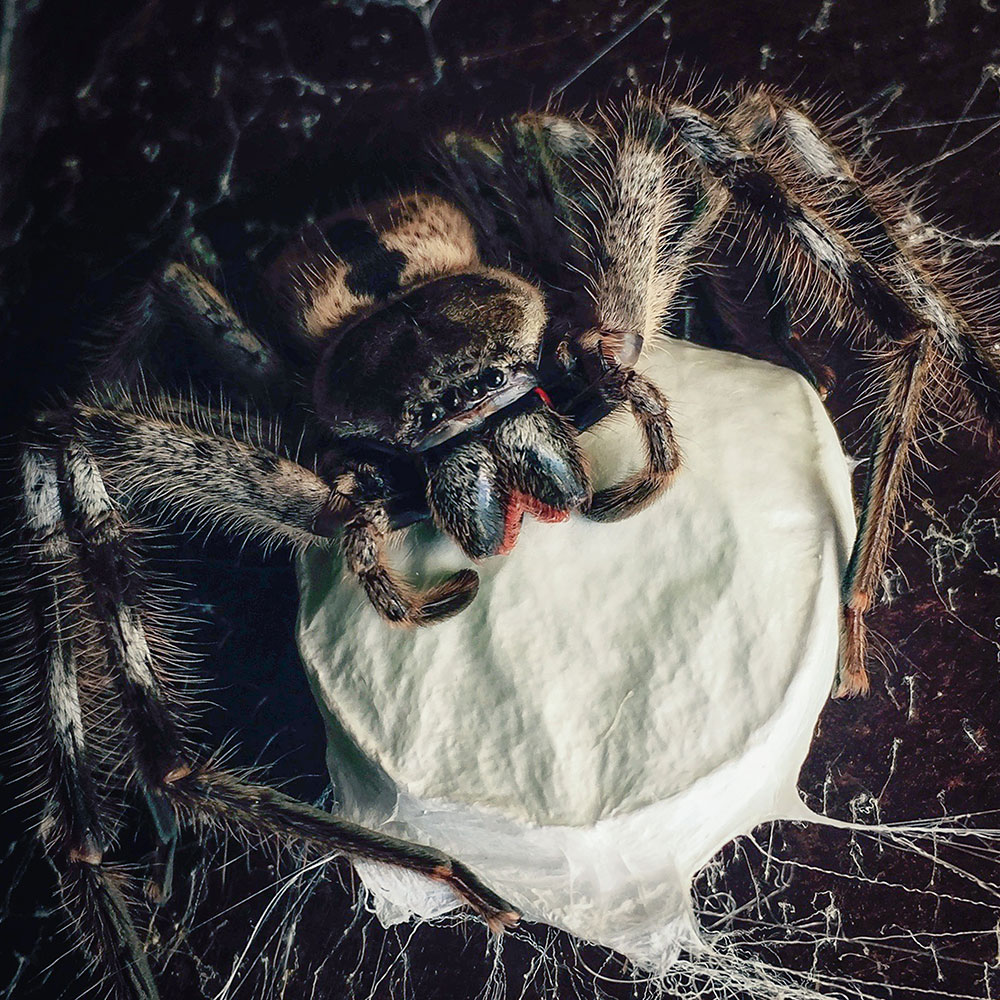
Most of the time, it is the same size as the female spider that constructed it. It comprises a silky substance that resembles cotton wool. Egg sacs are typically put in secluded, shadowy areas and fastened to objects like furniture, fixtures, pipes, ceilings, walls, or plant leaves. The web frequently envelops or covers them.
For most Melbourne homes, spider pest control every 3 to 6 months is suitable. Book in early March before the autumn influx and in October before summer spider activity increases. Properties near bushland, gardens, sheds or recurring spider activity may benefit from quarterly treatments.
Can’t find the answer you’re looking for?
Call us now!
Call us today on (03) 9034 5957 or use our online form to explain the pest spider issues at your property. We will provide you with an obligation-free quote and a seamless spider treatment service.
This content is hidden using JavaScript